Company
Timeline
Role
The Idea
Salty Automobile Service was founded in 2023 as a long-term personal project — a place where the automotive world transcends the limits of physics, budgets, and registration regulations. Every design begins with a car I truly love and ends in a place it could never actually reach: contemporary modifications, imagined liveries, impossible details — all rendered with an almost obsessive attention to material and light. The common thread running through all of this is the same belief that draws me to the fashion industry — that cars and clothing exist in the same cultural space. Both are surfaces where art, technology, and self-expression collide, where a community forms around taste and craftsmanship rather than just function. SAS is my attempt to create within this space without asking anyone for permission. It’s the project I return to between client commissions to keep my hands dirty and my ideas out loud.
Craft / Materiality
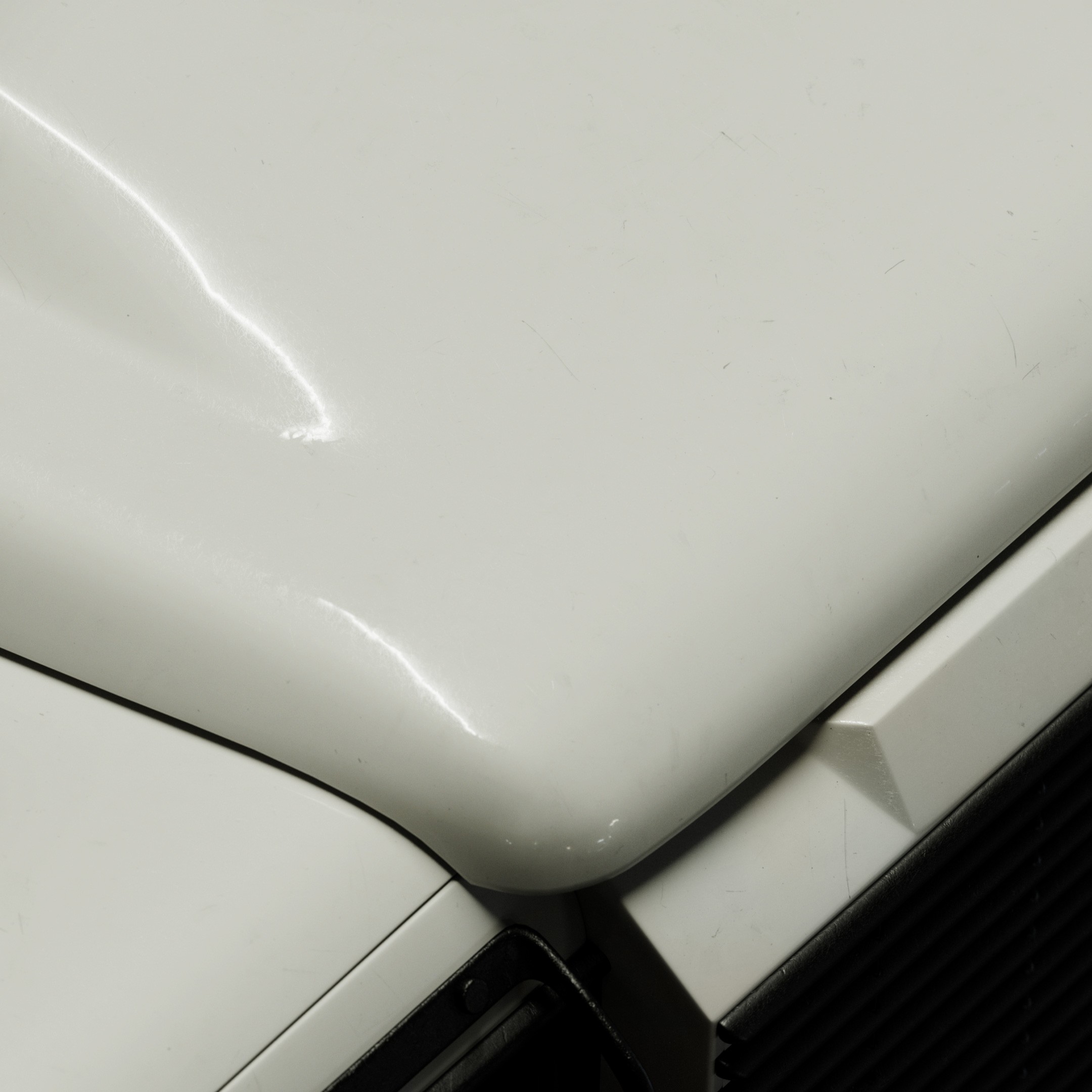
The entire project stands or falls on the materiality. A rendering no longer looks like a 3D model, but like a real object, once the surfaces behave correctly — the metallic flake catching in automotive paint, the rubber grain across a tyre wall, the way a polished wheel arch bends the light around it, the subtle wear that tells you something has actually been touched. That's the level SAS is built at, and it's deliberately the unglamorous, time-consuming part: lighting setups reworked until the reflections feel inevitable, materials tuned until they read as steel, glass and lacquer rather than shaders. The graphics and liveries across the project were developed together with Moritz Moysig, designed not as stickers laid on top but as marks that look like they were always meant to wrap these cars. The goal throughout is simple to say and hard to do — make something that feels real-surreal, never clean-clinical.


SAS x Marco Oggian Livery
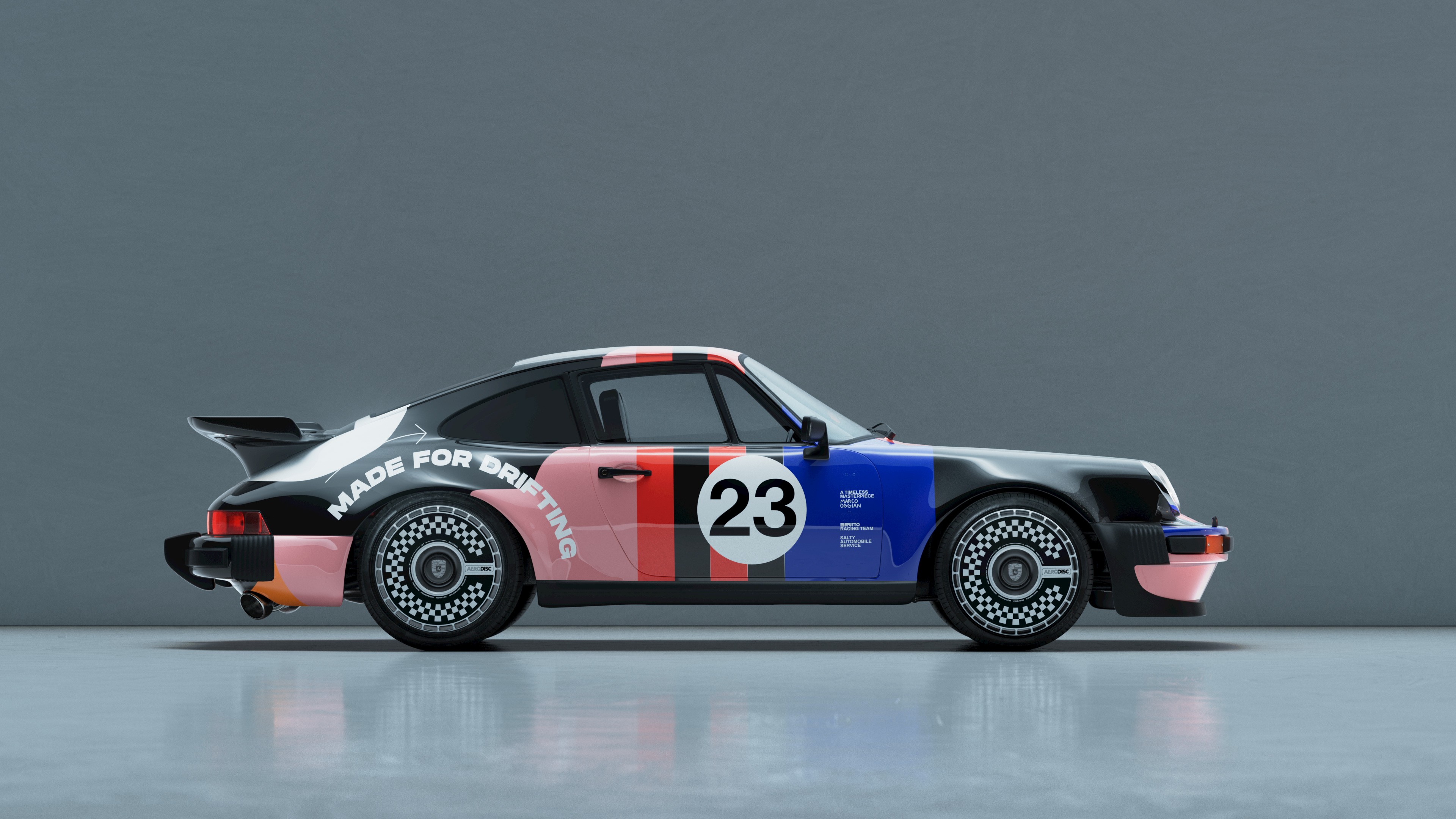
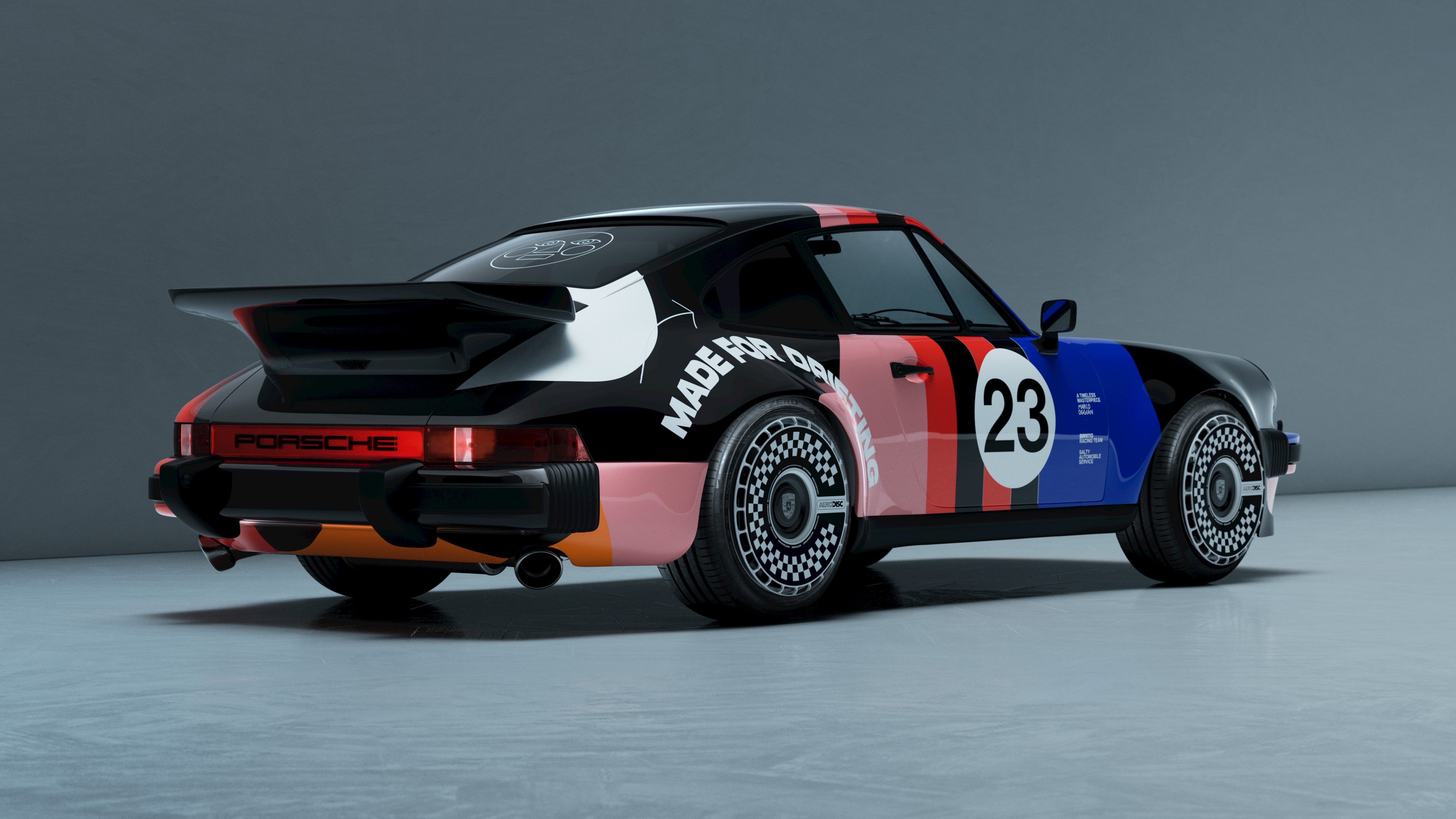
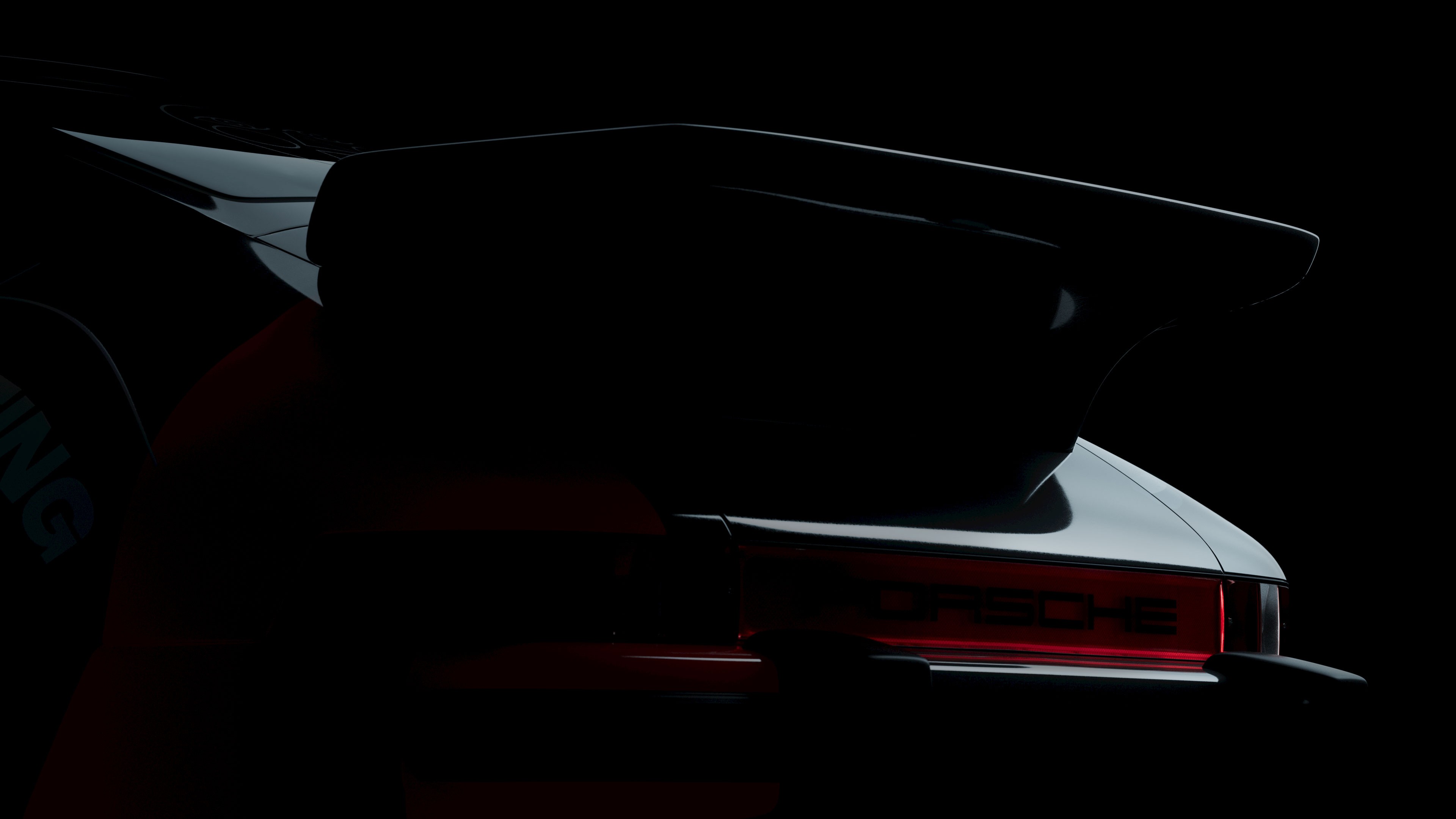
The first build is a collaboration with graphic designer Marco Oggian — a Porsche 911 turned into a moving piece of graphic design. The livery breaks the body into bold blocks of pink, red and blue, anchored by a race number 23, checkerboard centre-lock wheels and "Made for Drifting" arched across the doors. It sits exactly between two worlds: half historic race car, half rolling poster. The idea was to take Oggian's flat, confident graphic language and wrap it around a three-dimensional object, then light it so the colours feel painted onto metal rather than projected onto a model. It's the clearest statement of what SAS does — design and automotive culture treated as the same discipline



Details
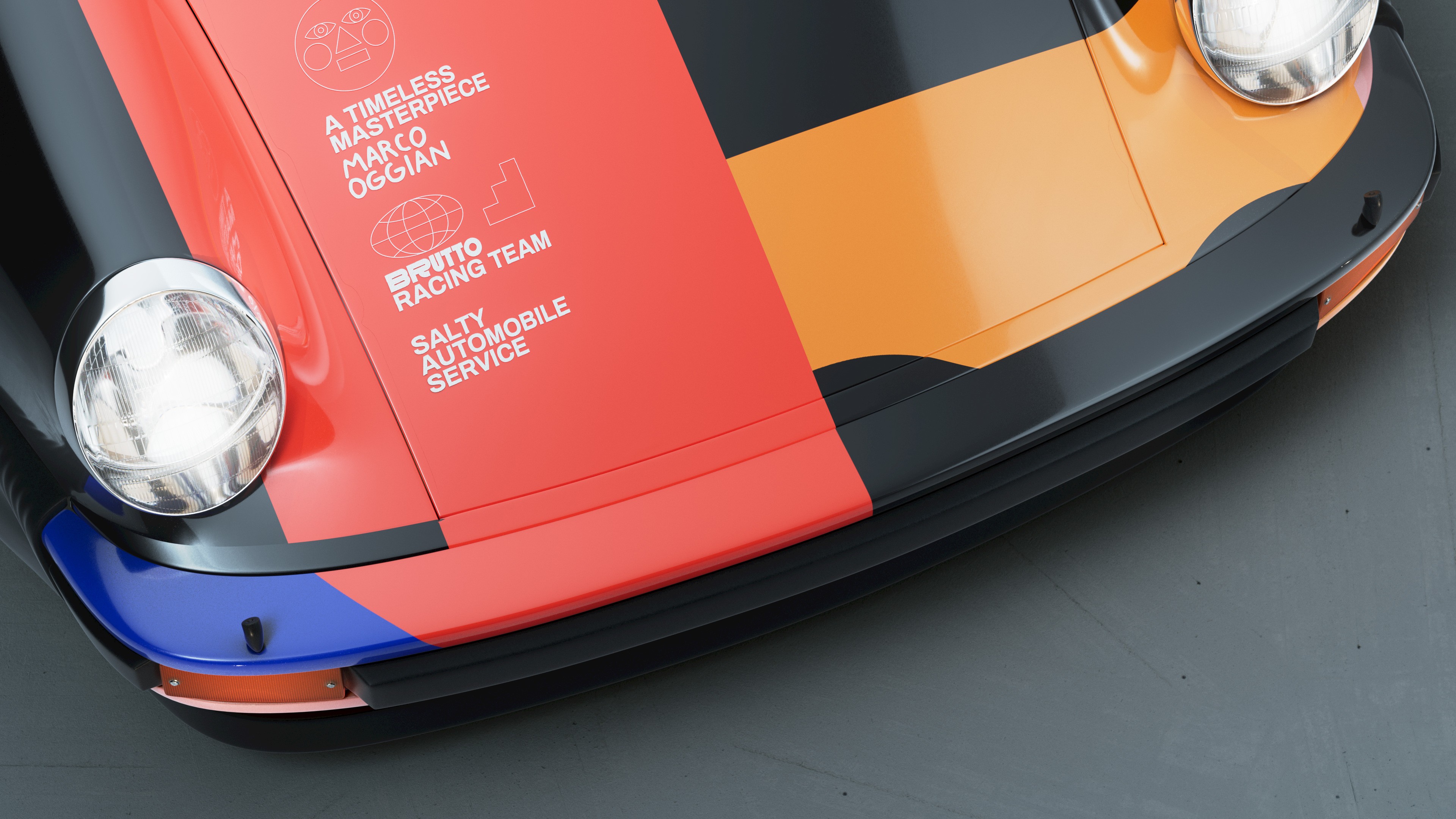
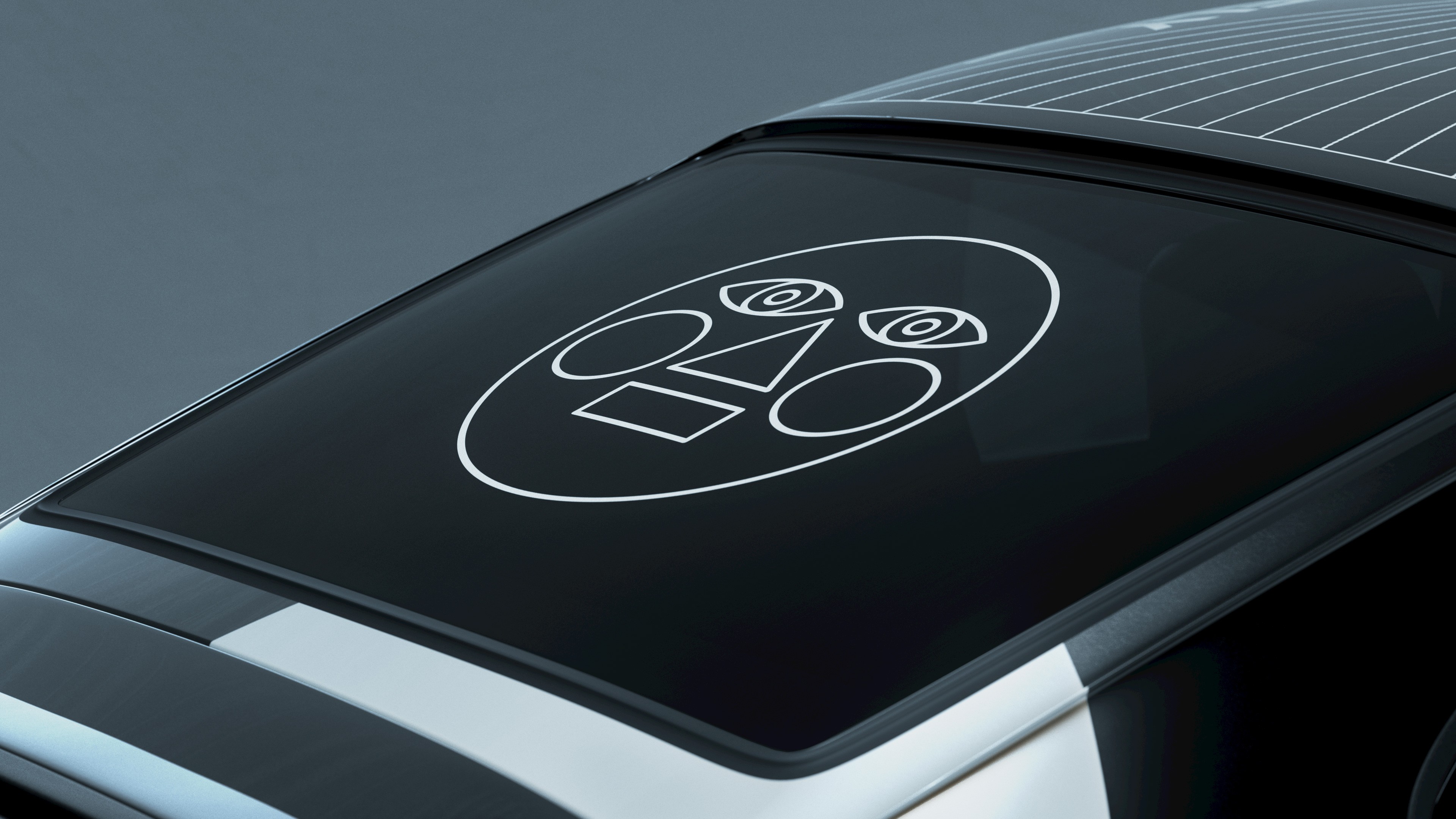
The collaboration goes all the way down to the badging. "A Timeless Masterpiece", the Brutto Racing Team mark, the Salty Automobile Service signature — every graphic was placed in 3D and lit to read like real print on real bodywork, with the curvature of the panel distorting the type just enough to convince. Shown alongside the finished livery is the raw clay render: the same geometry stripped back to grey, before paint, graphics or story. Seeing the two side by side is intentional — it shows the build underneath the surface, and how much of the final image is lighting and material work rather than the model alone.

Technical
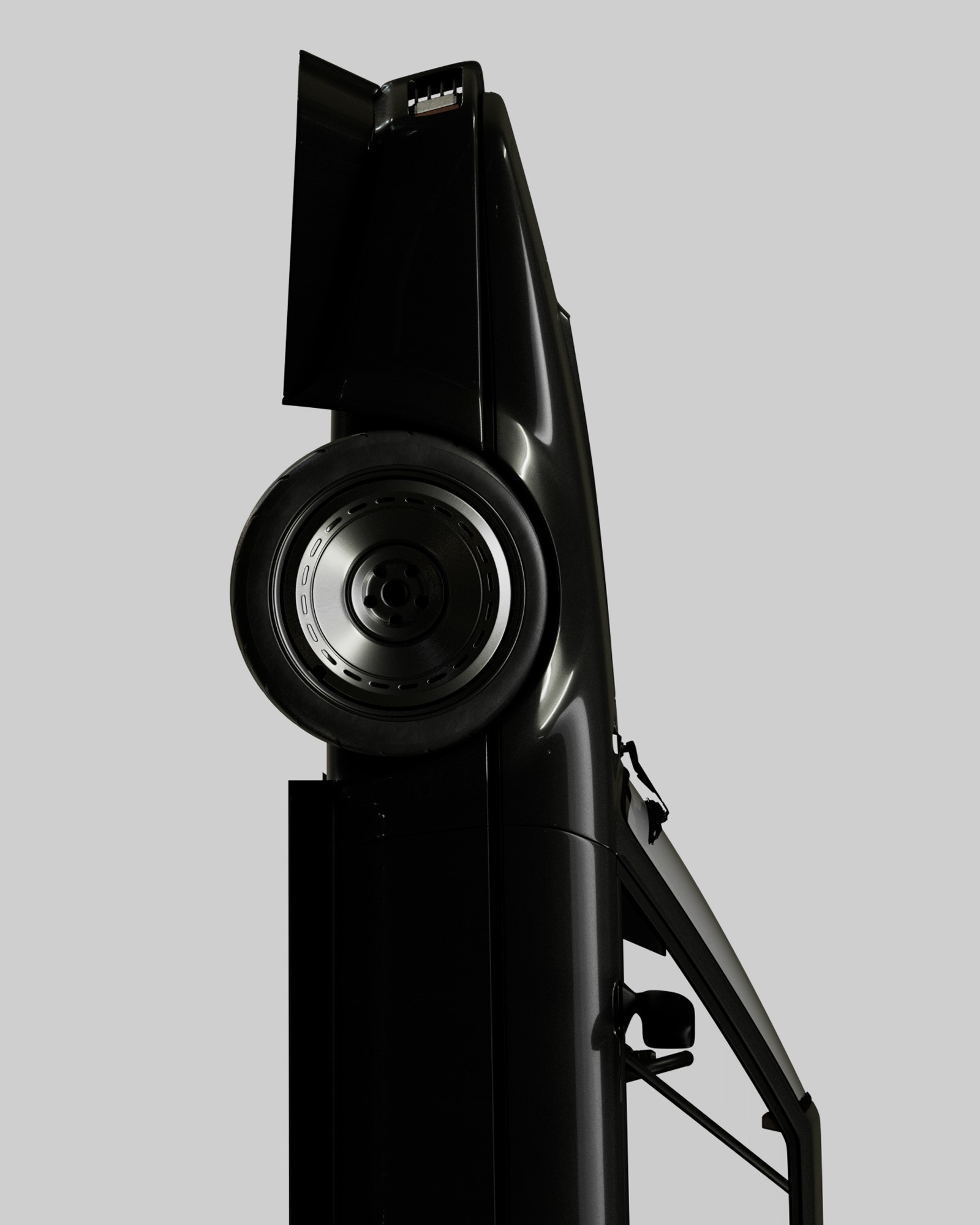
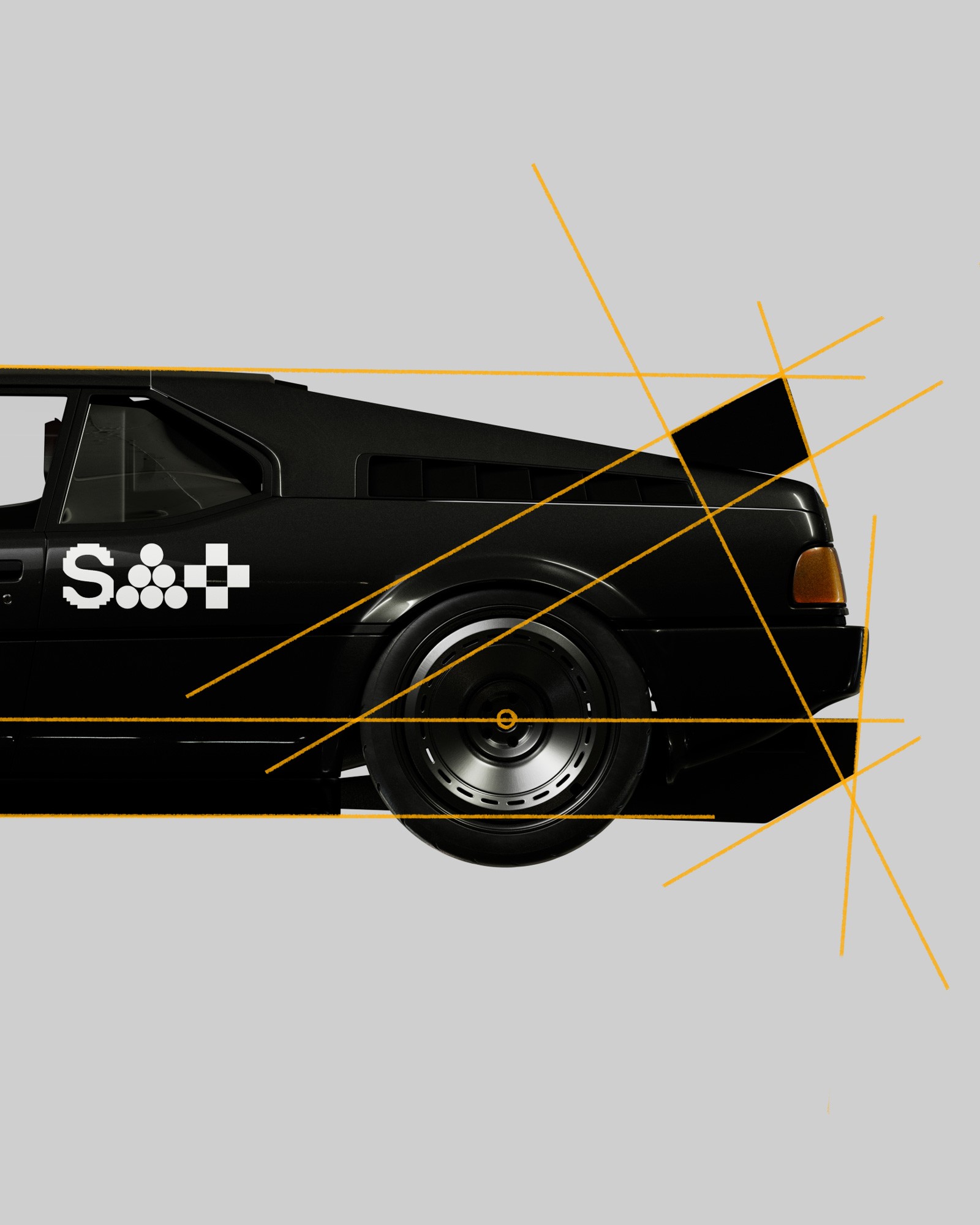
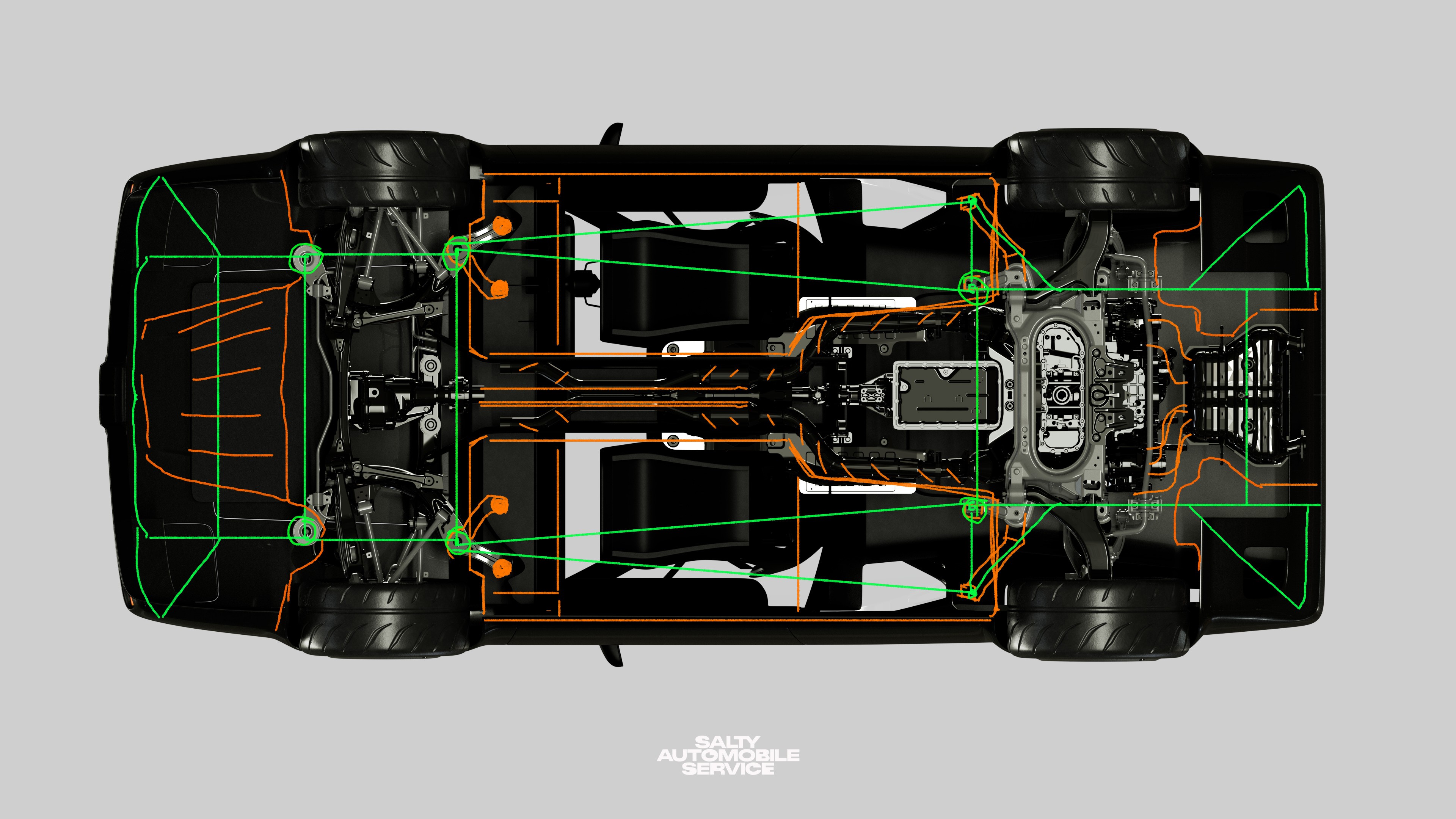
Underneath the attitude, the engineering is the point. For the Defender I traced the chassis, drivetrain and suspension geometry in green and orange line work over the blacked-out underbody — part exploded technical drawing, part SAS visual signature. It does two jobs at once: it shows that the model is built properly underneath, not just a pretty shell, and it turns the diagram itself into a piece of brand language. The technical layer is as considered as the paint — because in car culture, the people who matter look underneath.



REICH OHNE BANKEN Defender
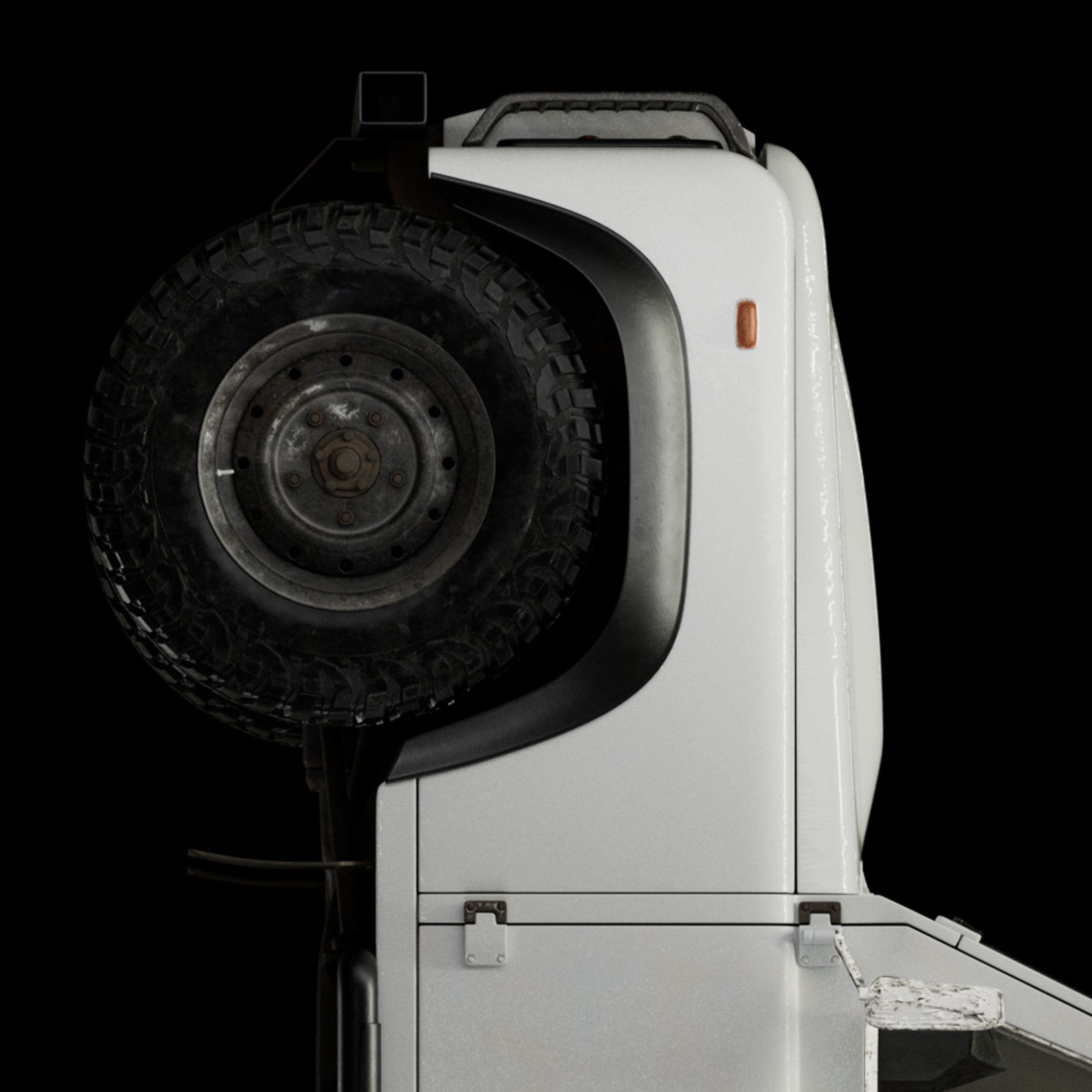
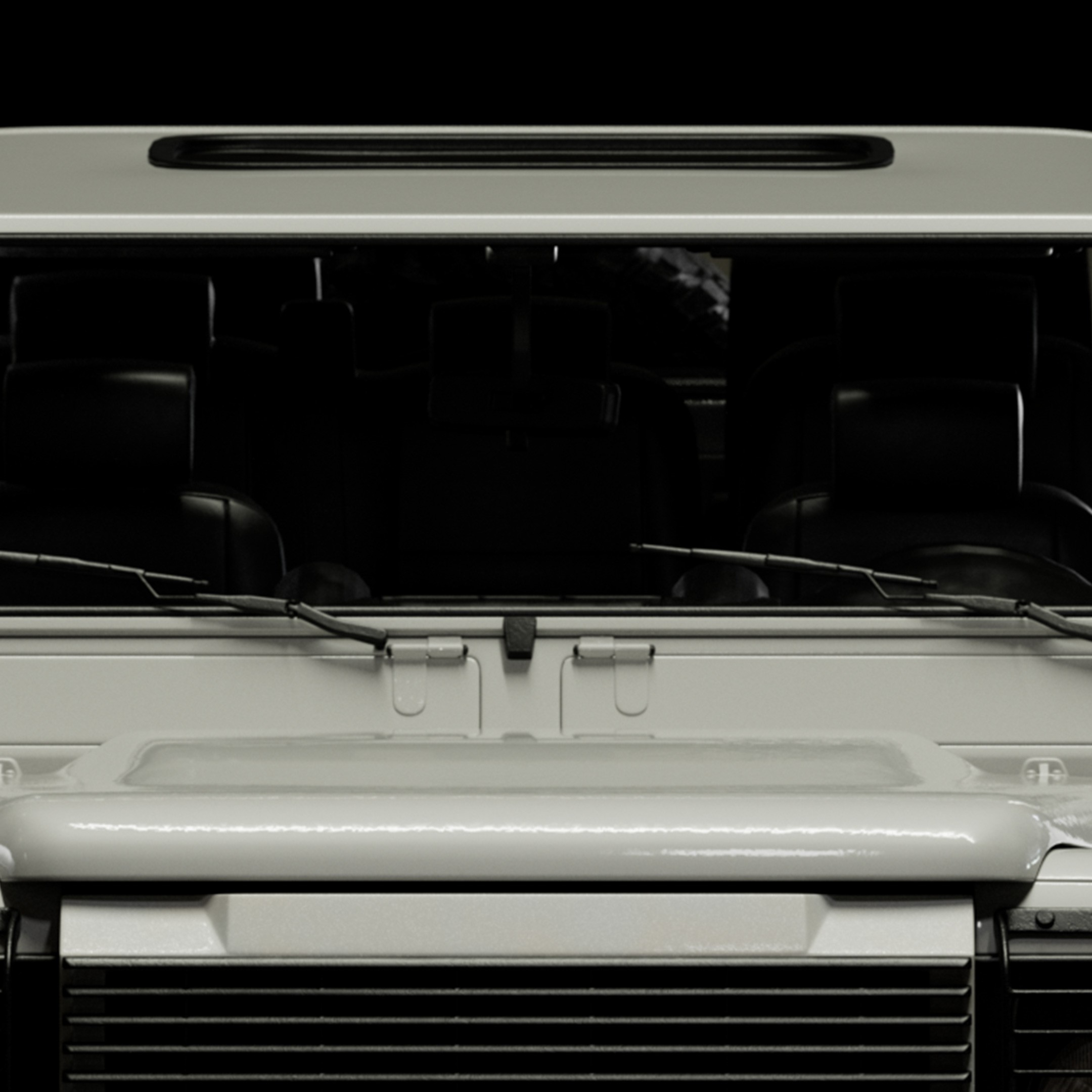
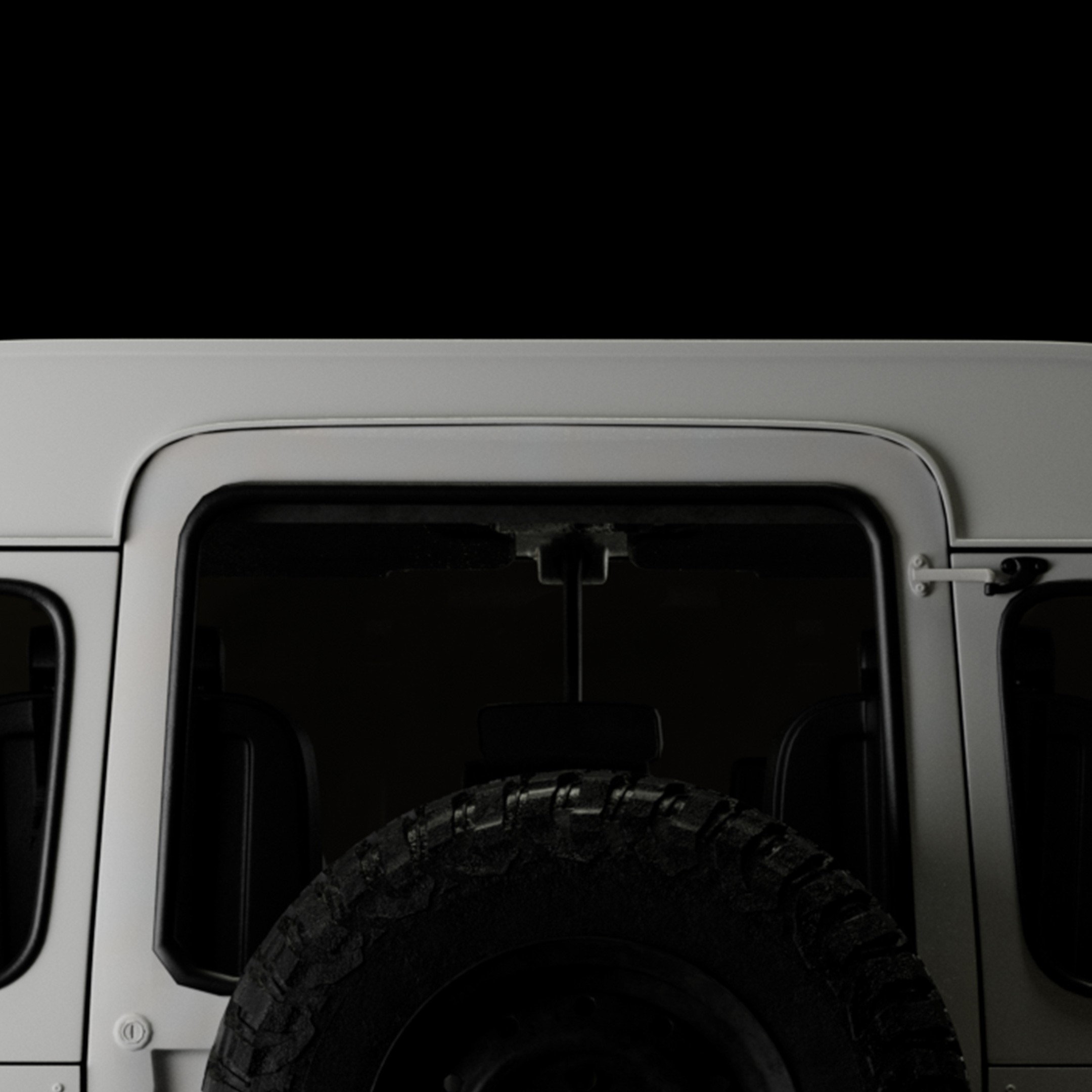
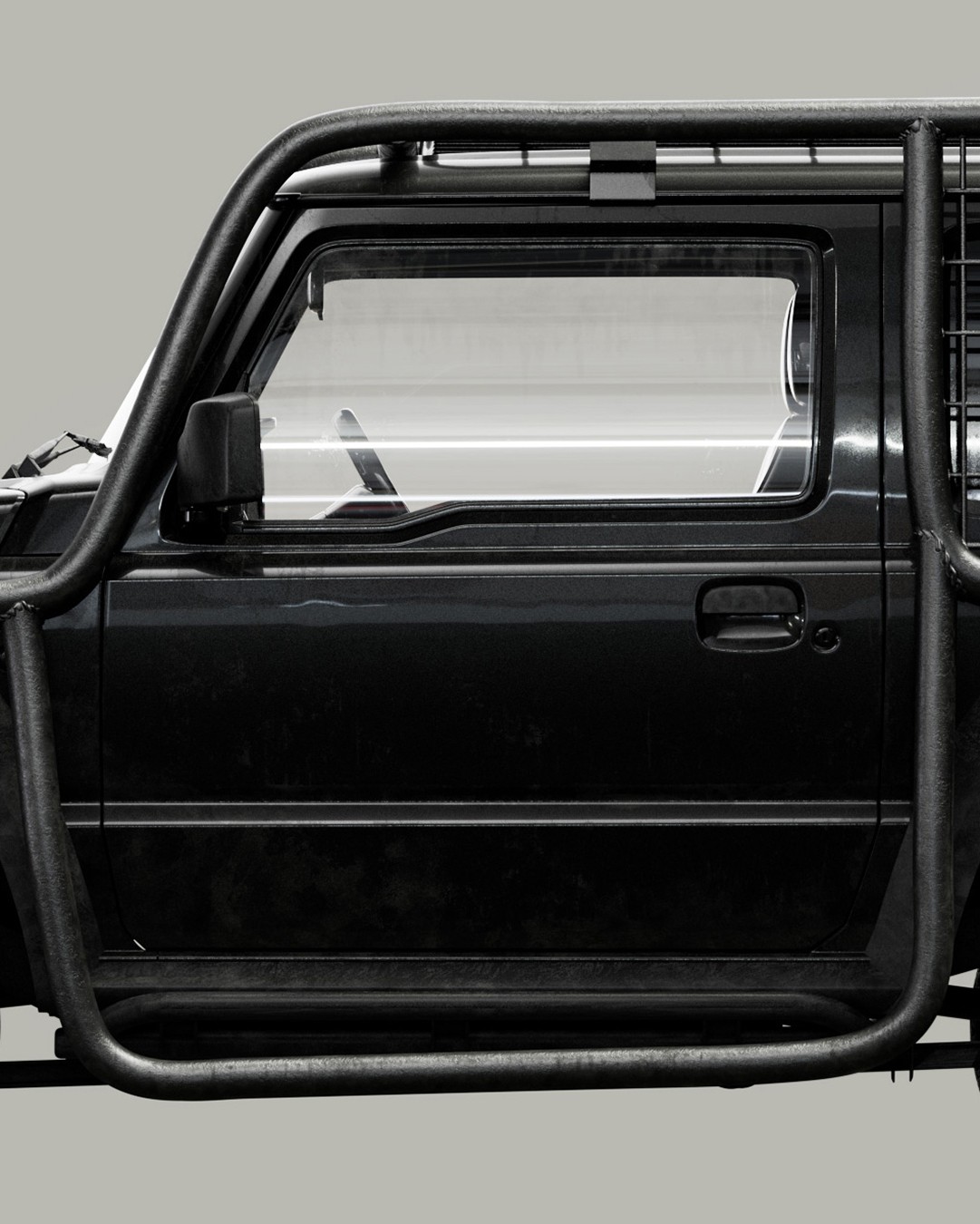
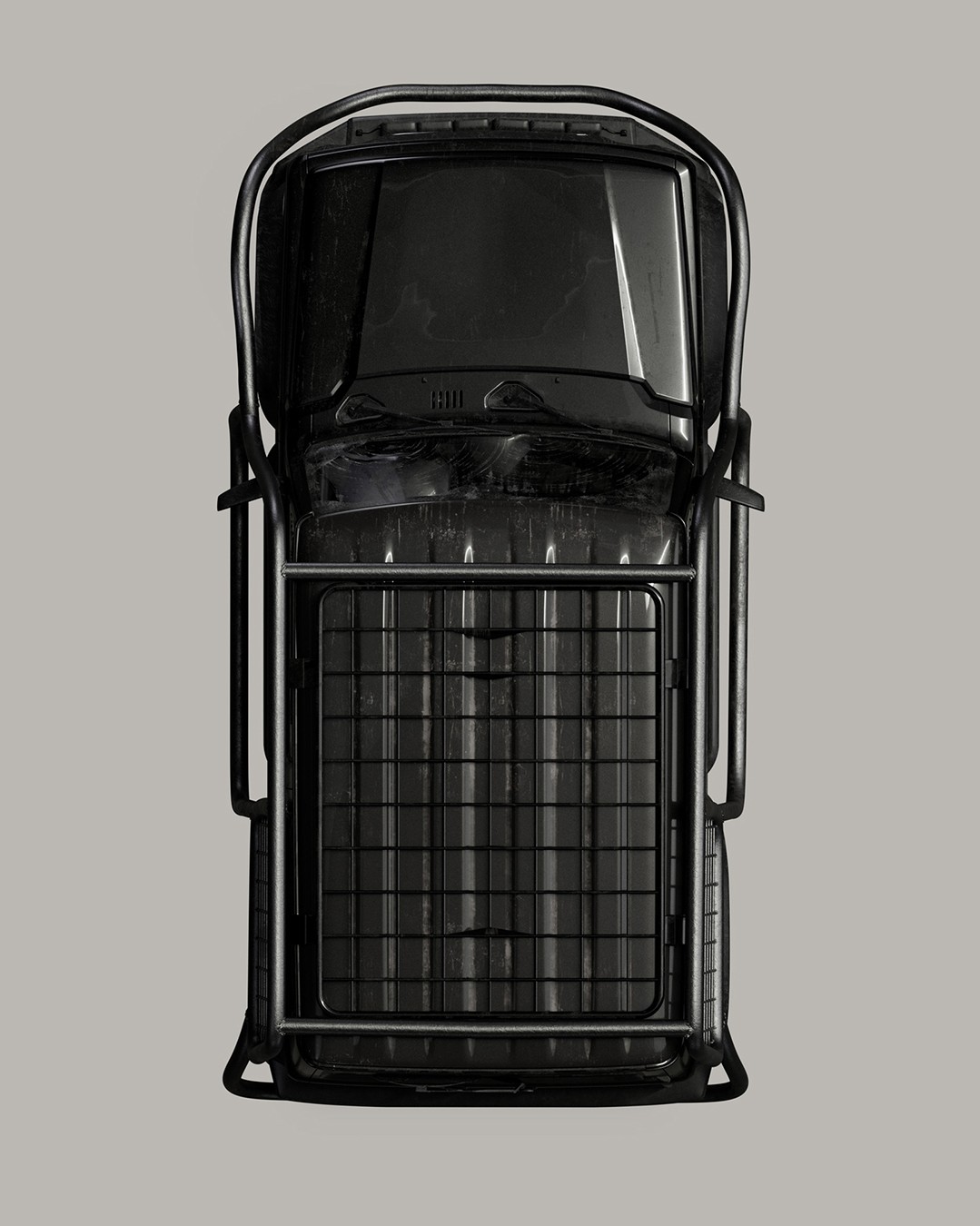
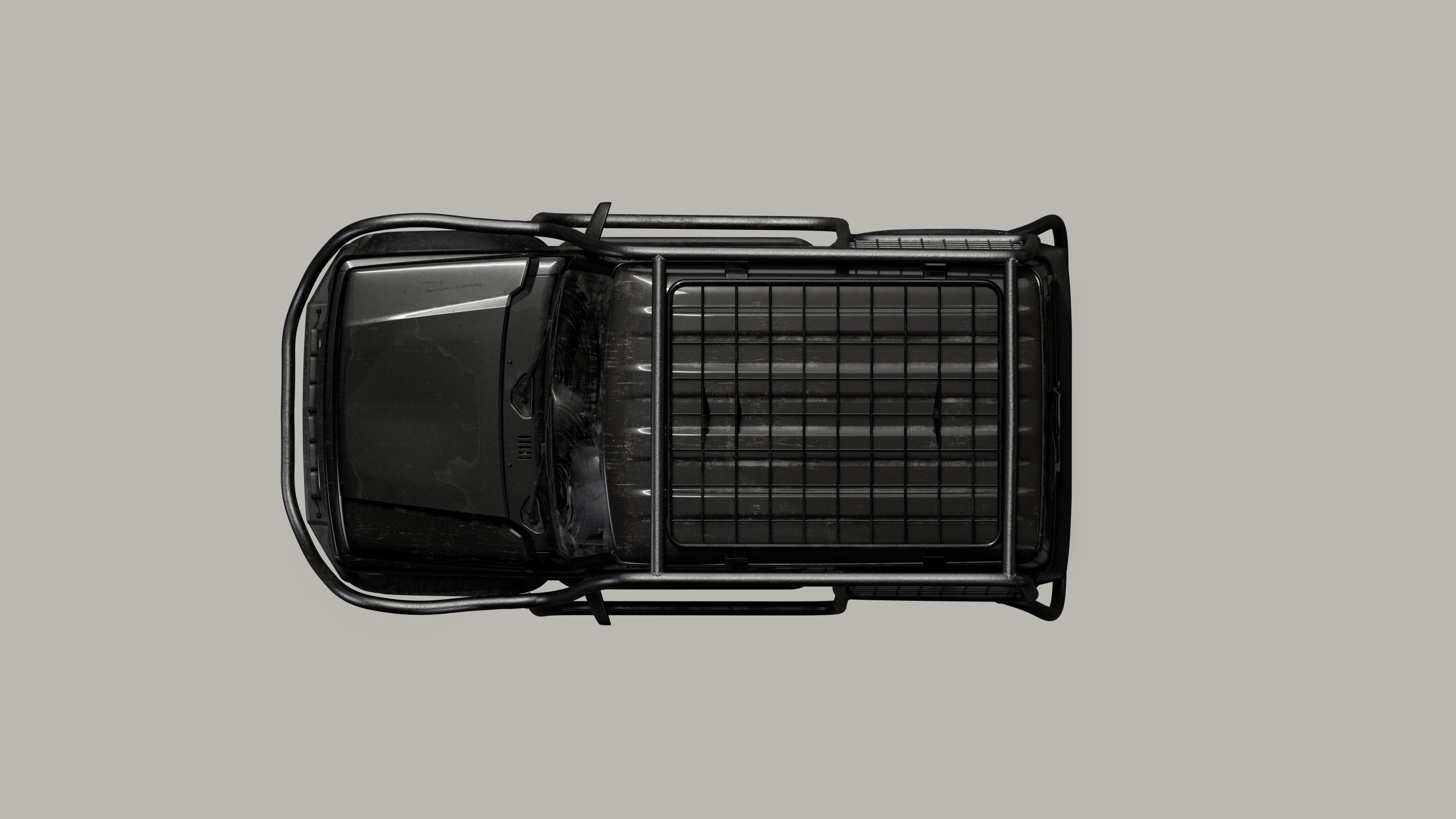
The second build came out of a music project. It began as cover artwork — a blacked-out Land Rover Defender created for the Eurothug × Funkvater Frank release "Reich ohne Banken". The brief here was attitude over polish: stripped down, completely murdered-out, riding on "Salty Tires", every chrome detail killed. Where the Oggian Porsche is loud and graphic, the Defender is the opposite — monolithic, matte, almost menacing. It's the SAS range showing it can move between worlds, from race-livery pop to subculture darkness, and still feel like it belongs to the same workshop.



Pattern SAS Porsche
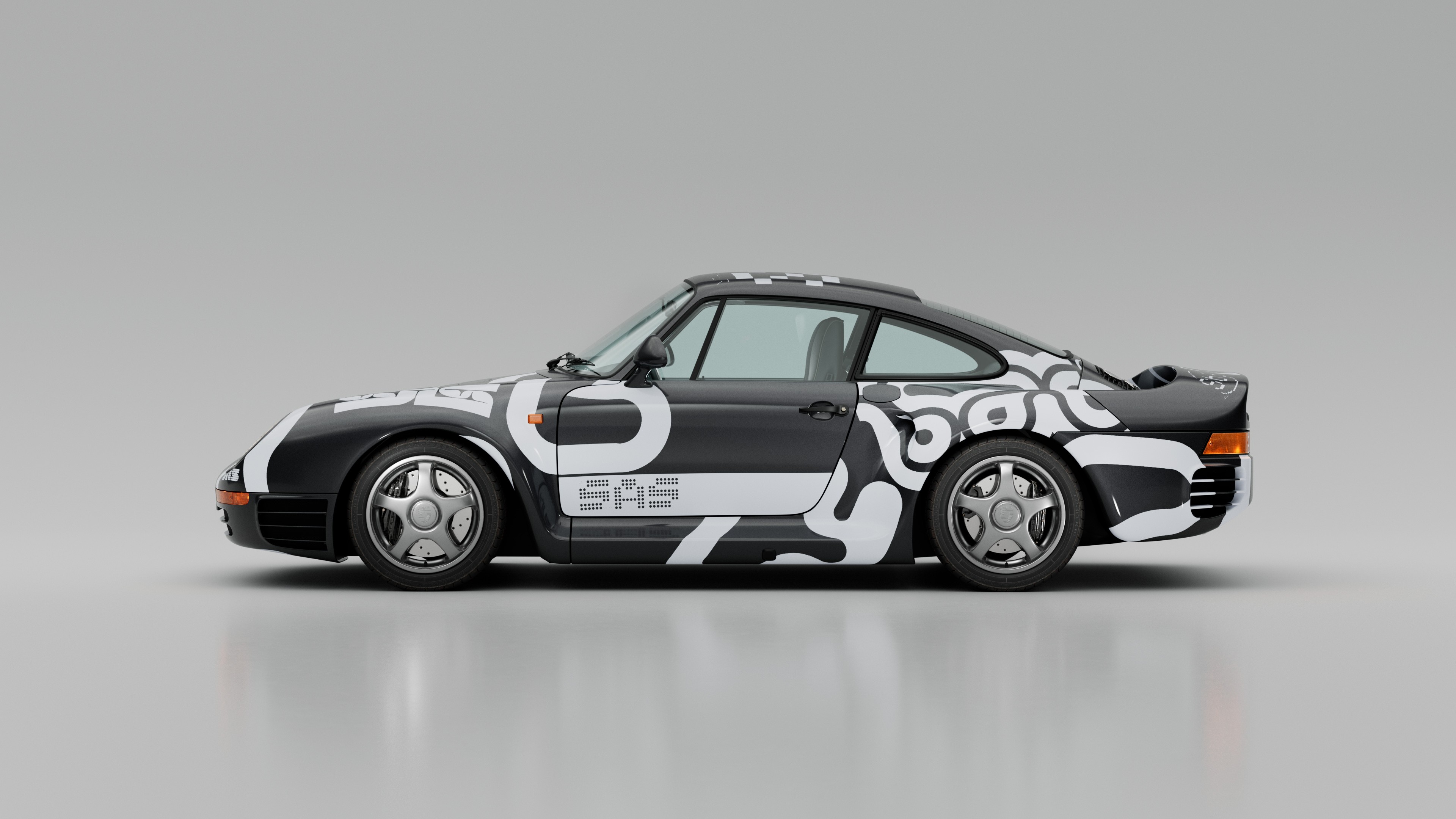
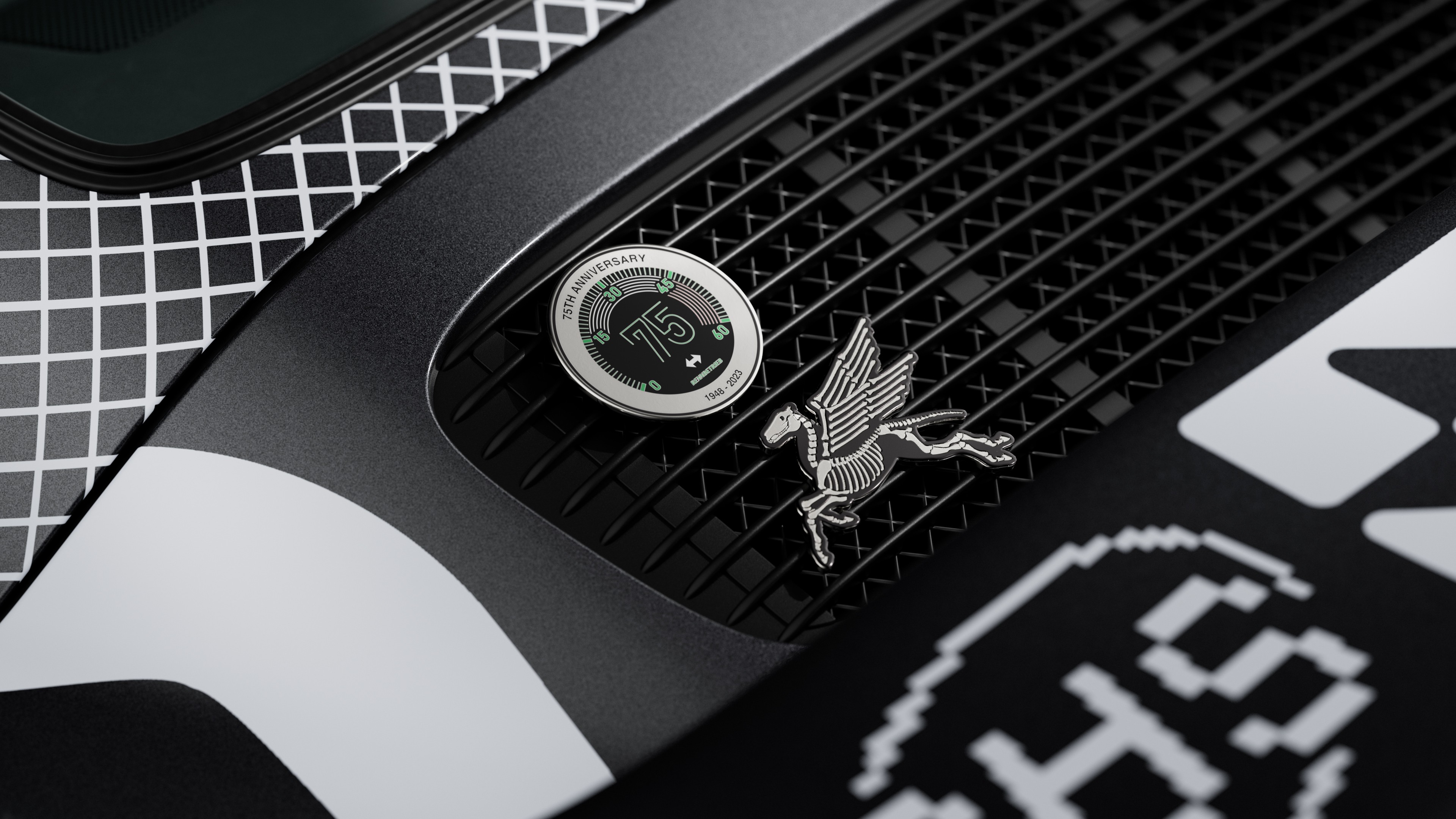
A black-and-white 911 wrapped head to toe in a custom SAS graphic system that Moritz Moysig built specifically for the project — logos, kanji, checkerboard and type used as an all-over print across every panel, roof and bonnet. There's no negative space left untreated; the car stops being a car wearing a graphic and becomes the canvas itself. Photographed from above, the roof and bonnet read almost like a textile or a magazine spread. It's the most editorial of the three builds, and the one that pushes hardest on the idea that a vehicle can be a surface for design rather than just an object to look at.


Parts & Material Studies
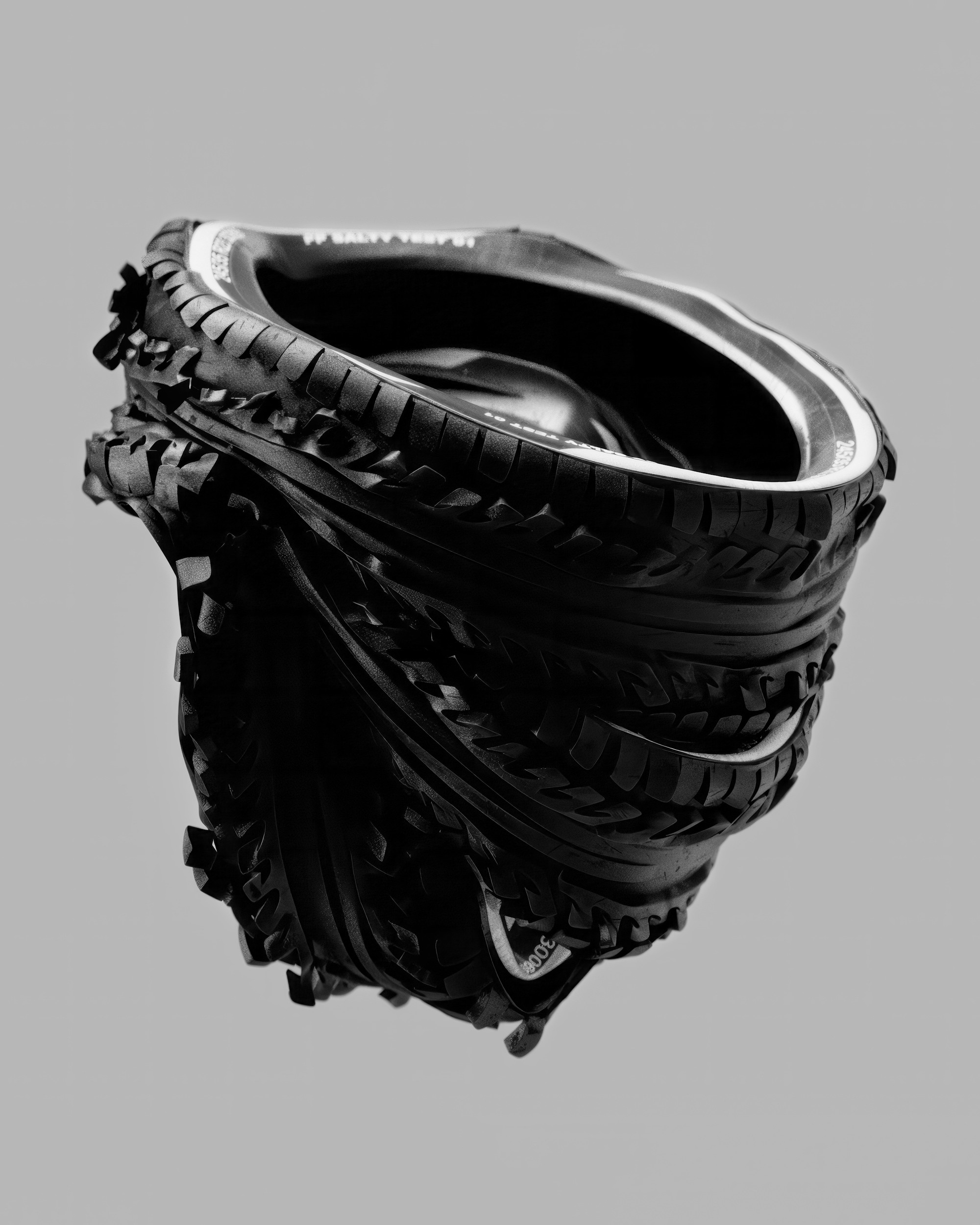
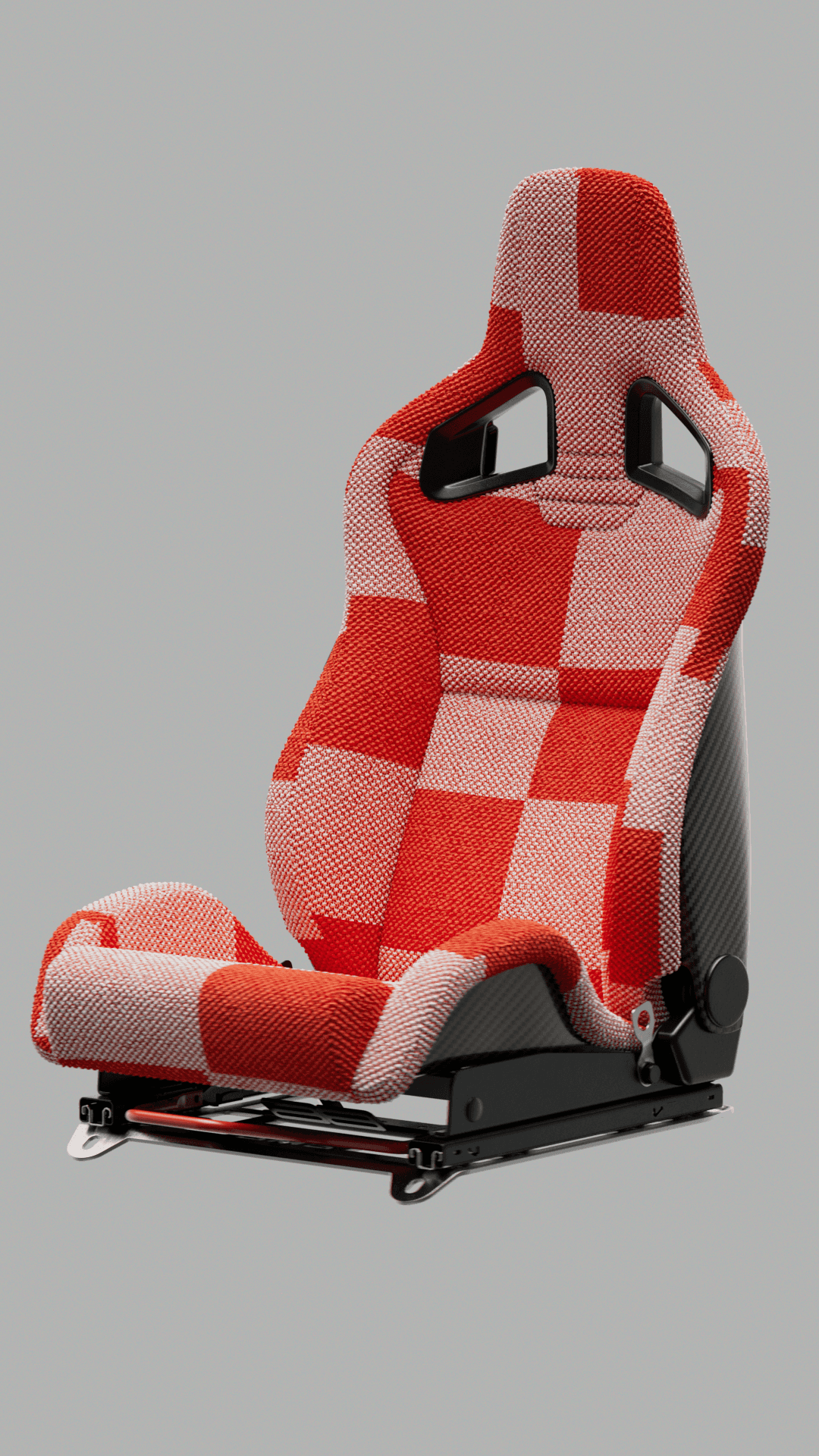
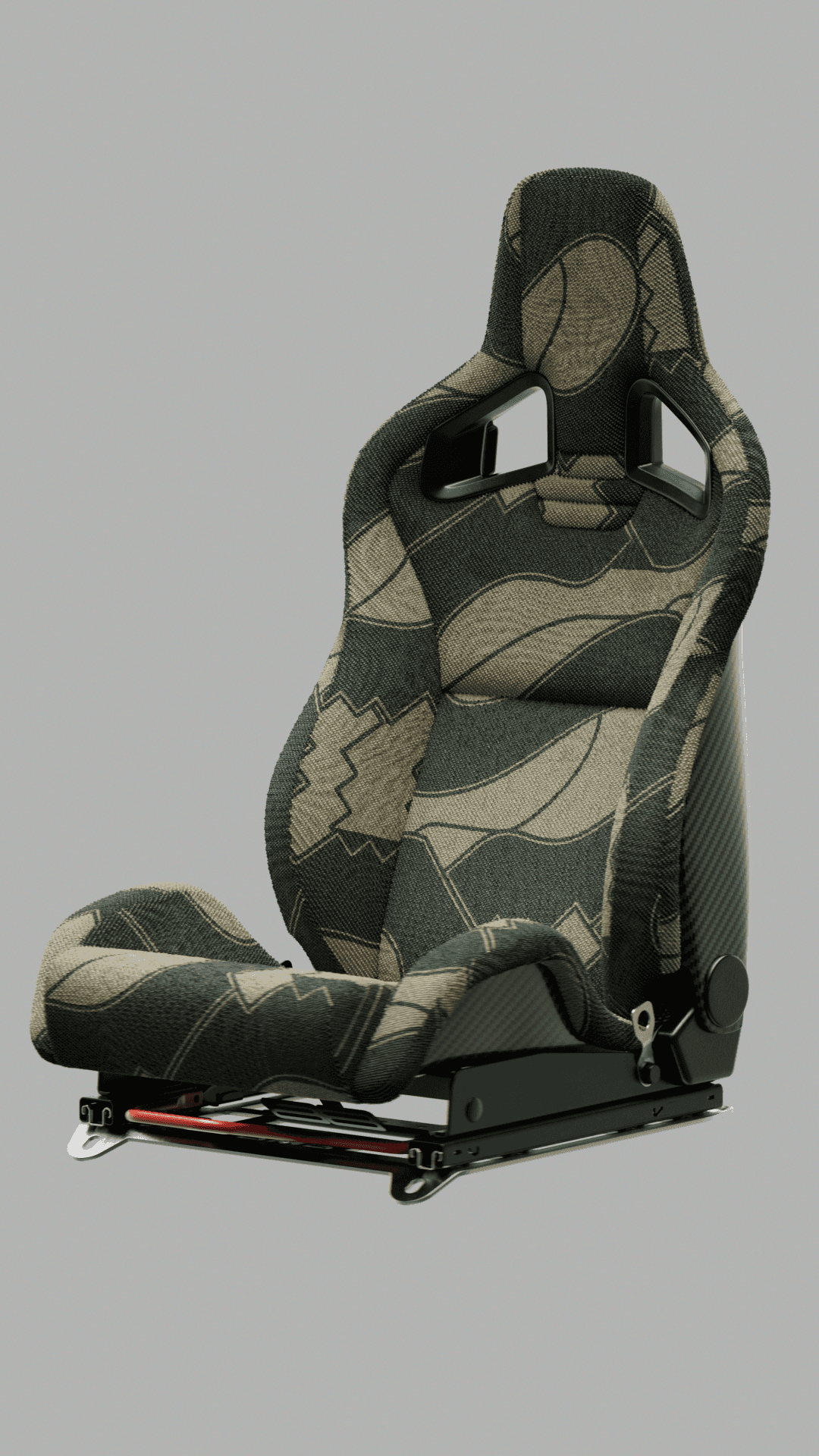
SAS isn't only about finished cars. A lot of the project happens at component level — single parts pulled out, redesigned and treated as objects in their own right. The clearest example is a series of bucket seats, each built around the same carbon shell but wrapped in its own custom textile: a red-and-white check, a black-and-white abstract camo, a muted green pattern. Same geometry, three completely different characters — a way of testing how far a single part can shift in mood just through material and graphic. These studies are where a lot of the project's ideas get figured out before they make it onto a full build: a place to push tyre treads, wheels, trim and upholstery as standalone experiments. It's the digital equivalent of a workshop bench covered in parts — the small obsessive details that most people never notice, but that decide whether the whole thing feels real.


Art Layer
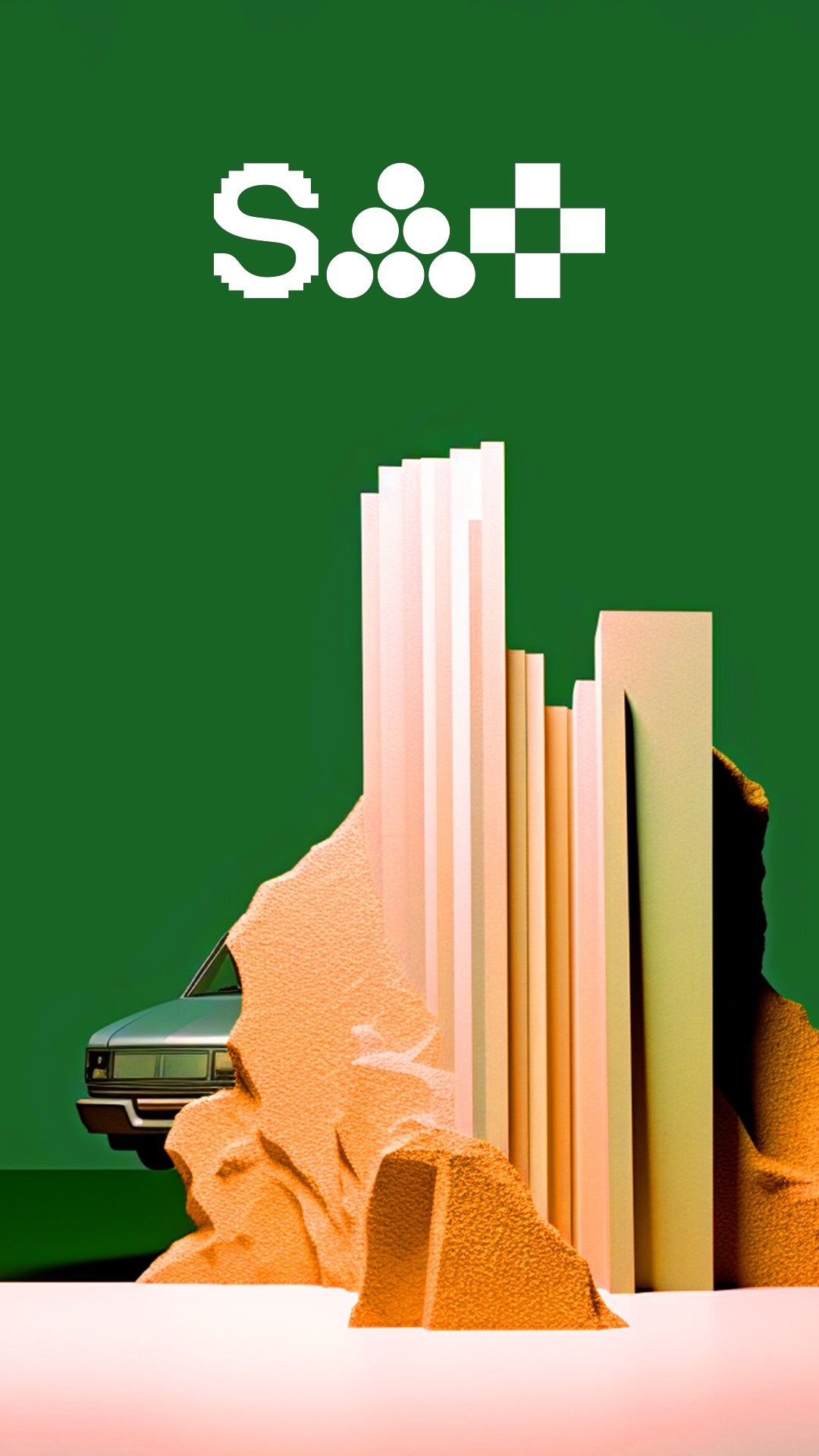
Beyond the drivable builds, SAS spills out into pure image-making — surreal scenes that frame the automobile less as a vehicle and more as an art object. Cars suspended in voids, sculpted landscapes, impossible showrooms, objects floating between gallery and garage. Some of these worlds are sketched with AI as a starting tool and then pulled fully into the SAS universe — reworked, art-directed and finished until they sit alongside the rest of the project. The point of this layer is to give the project room to breathe past the cars themselves: to treat the automobile the way an artist treats a recurring subject, abstracted and recontextualised rather than just presented.


Motion Test
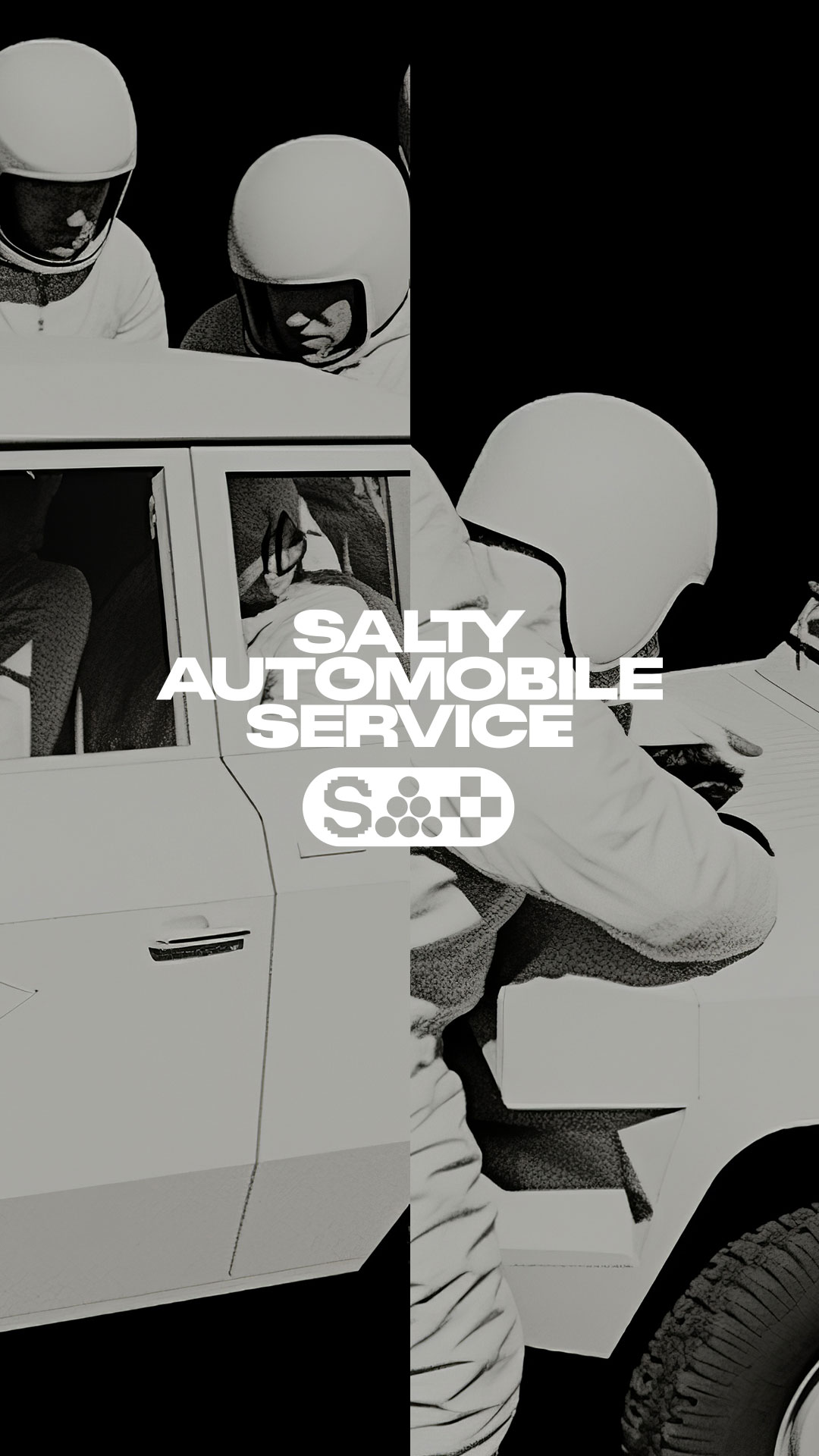
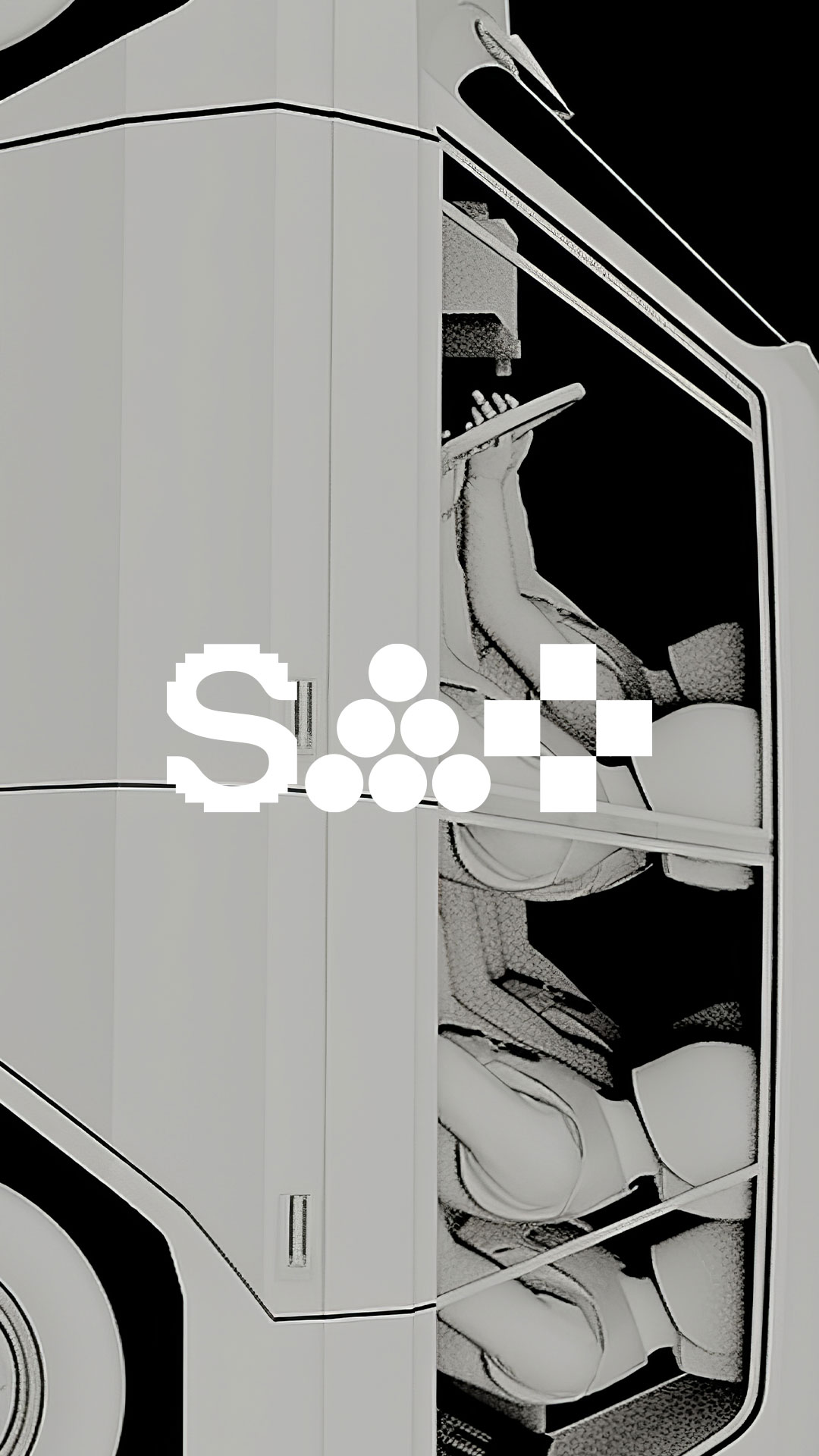
Right at the bottom: a greyscale drive test. No materials, no livery, no story — just the car rig moving through a scene to make sure the suspension, wheels and weight behave the way they should before any of the visual work goes on top. It's the least glamorous thing in the whole project and the most important. Everything above only works because the unsexy groundwork — rigging, motion, physics — was solved first.
Outro
Salty Automobile Service is never really finished. That's the whole idea — an open workshop that keeps taking on new builds, new collaborators and new worlds whenever the right car or the right idea shows up. More vehicles, more liveries, more surreal detours are already in progress. Stay tuned.
Credits
Graphics & Liveries — Moritz Moysig
Collaborators — Marco Oggian, Eurothug × Funkvater Frank, Rennbetrieb, Heizr Club

